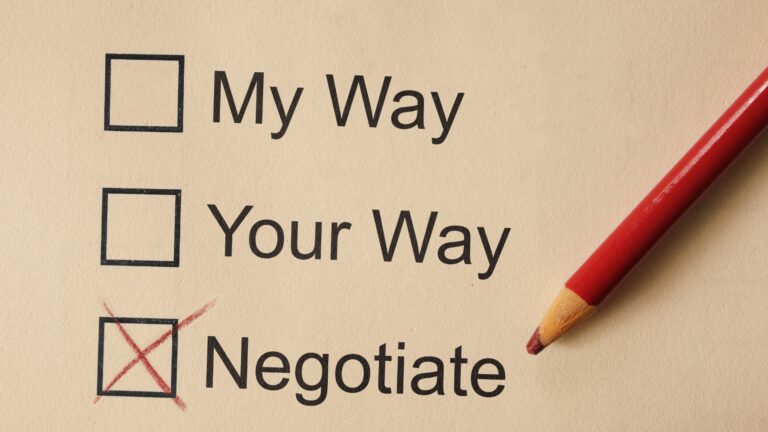
The Art of Negotiation: Tips and Strategies for Business Success
Negotiation is a critical skill for any business professional. Whether you’re negotiating with suppliers, partners, or customers, the ability to effectively negotiate can make all the difference in achieving your goals. In this blog post, we’ll share tips and strategies for negotiation that can help you succeed in business.
1. Prepare Thoroughly
- Preparation is key to successful negotiation.
- Research your opponent’s needs, goals, and constraints before the negotiation.
- Develop a clear and concise list of your own goals and objectives.
- Anticipate potential objections and develop counterarguments.
2. Build Rapport and Trust
- Building rapport and trust with your opponent can help establish a positive and productive negotiation.
- Find common ground and shared interests to build a foundation for cooperation.
- Use active listening skills to understand your opponent’s perspective and concerns.
- Show empathy and understanding to build trust and credibility.
3. Focus on Interests, Not Positions
- Focusing on interests rather than positions can help you find creative solutions and reach mutually beneficial agreements.
- Identify the underlying needs and desires that drive your opponent’s position.
- Look for alternative solutions that meet both parties’ interests.
4. Use Time to Your Advantage
- Time is a valuable resource in negotiation.
- Use time to build rapport, research your opponent, and develop a strategy.
- Create a sense of urgency or scarcity to encourage your opponent to make concessions.
- Be mindful of the clock and manage the negotiation timeline effectively.
5. Make Strategic Offers
- Making strategic offers can help you gain an advantage in negotiation.
- Identify areas where you have flexibility and make concessions to build momentum.
- Use anchoring techniques to establish a reference point for future negotiations.
- Consider making “good enough” deals that meet your minimum requirements.
6. Manage Emotions and Stay Calm
- Emotions can be a major obstacle in negotiation.
- Take time to calm down and regroup if emotions are running high.
- Use positive self-talk and visualization techniques to stay focused and composed.
- Avoid making impulsive decisions based on emotions.
7. Be Willing to Walk Away
- Knowing when to walk away from a deal is essential for effective negotiation.
- Identify your non-negotiables and be willing to walk away if they’re not met.
- Use the threat of walking away to encourage your opponent to make concessions.
- Be prepared to negotiate alternatives or explore other options.
8. Follow Up and Follow Through
- Following up and following through on agreements is crucial for maintaining credibility and trust.
- Send a summary of the agreement and any next steps to ensure clarity and understanding.
- Be proactive in addressing any concerns or issues that arise after the negotiation.
- Use the deal as a stepping stone to future negotiations and business opportunities.
9. Continuously Learn and Improve
- Negotiation is a skill that can be developed and improved over time.
- Continuously seek feedback and learn from your experiences.
- Reflect on what worked well and what didn’t, and adjust your strategy accordingly.
- Stay up-to-date with industry trends and best practices to stay ahead of the competition.
10. Practice Makes Perfect
- Negotiation is a skill that requires practice to develop.
- Seek out opportunities to negotiate in low-stakes situations, such as purchasing everyday items.
- Use role-playing or simulation exercises to practice negotiation techniques.
- Join a negotiation group or seek mentorship from experienced negotiators to improve your skills.
Conclusion:
Negotiation is an essential skill for business success. By following these tips and strategies, you can develop the skills and confidence needed to effectively negotiate and achieve your goals.