Something interesting is happening in the 2026 M&A market — and it’s not what most people were expecting. While headlines obsess over AI startups and tech valuations, the real momentum is building somewhere else entirely: old‑economy small businesses.
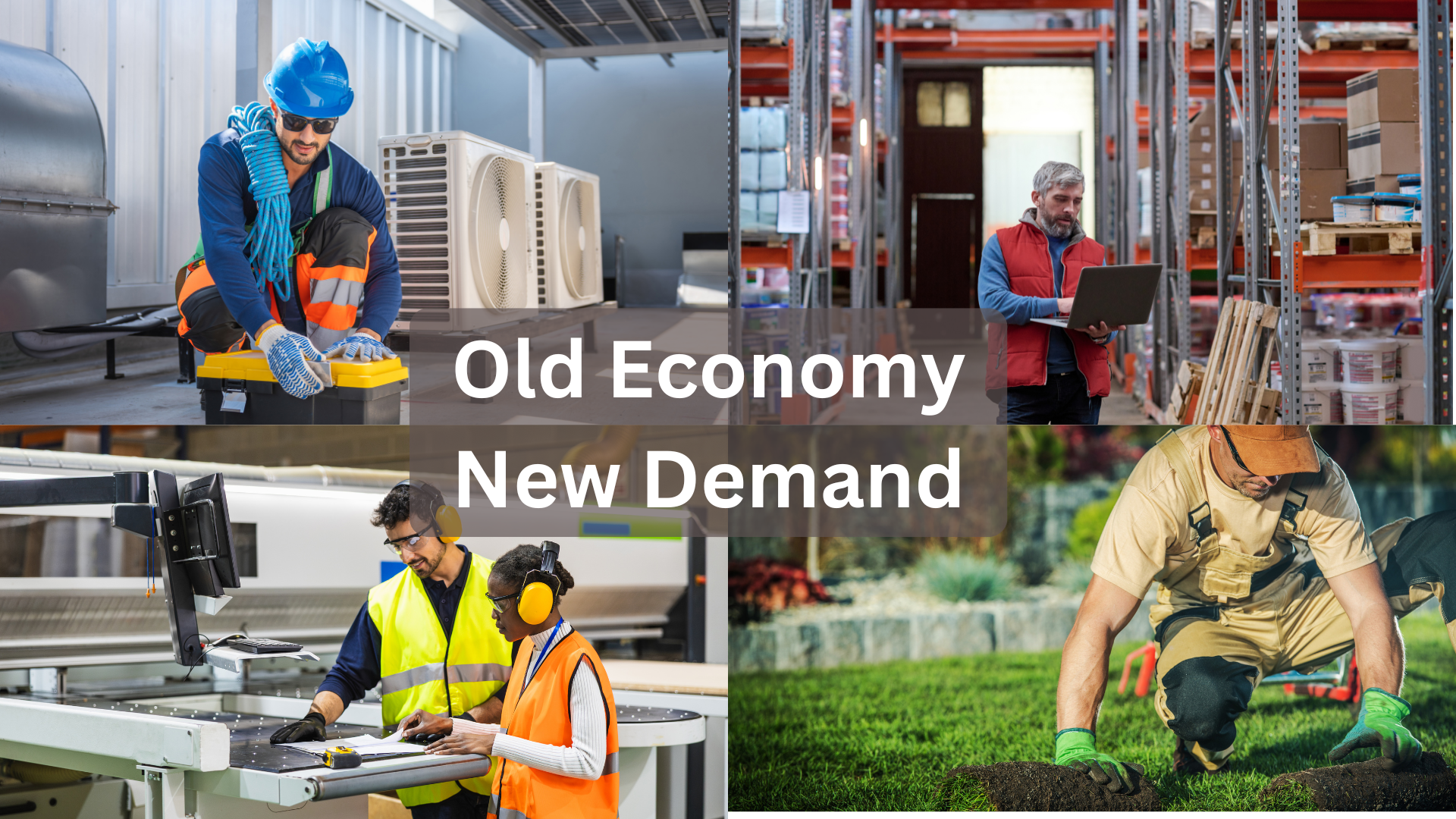
HVAC companies, distributors, consumer product firms, and even traditional manufacturers are seeing renewed buyer interest this year. And it’s not a fluke. It’s a structural shift in how buyers — especially private equity and strategic acquirers — are thinking about risk, stability, and long‑term value.
If you own a “boring” business, 2026 might be your moment.
Why Old‑Economy Businesses Are Back in Demand
After two years of volatility, buyers are gravitating toward companies that feel predictable. Not flashy. Not speculative. Just solid, cash‑flowing, operationally sound businesses that customers rely on.
In Q1 2026, multiple M&A advisory firms reported the same pattern:
- Buyers want recurring demand
- They want stable margins
- They want businesses that don’t evaporate when the economy shifts
HVAC, distribution, and manufacturing check all three boxes. These companies may not trend on social media, but they deliver something far more valuable: irreplaceable.
The AI Twist No One Saw Coming
Here’s the part that surprises many owners: Even in old‑economy sectors, AI adoption is now a valuation driver.
Buyers aren’t expecting a small HVAC company to build its own LLM. But they are looking for signs that the business is modernizing:
- AI‑assisted scheduling
- Automated quoting
- Predictive maintenance tools
- Inventory optimization
- Customer service chat automation
These aren’t “tech company” features anymore — they’re operational hygiene. And when a traditional business shows it’s using AI to reduce labor strain or improve efficiency, buyers take notice. It signals future‑proofing. It signals scalability. It signals lower risk.
In 2026, that translates directly into stronger offers.
Why This Matters for California Sellers
California’s small‑business landscape is full of companies that fall into this “old‑economy but essential” category. Many are family‑owned, multi‑decade operations with loyal customer bases and deep community roots.
These businesses often underestimate their value. They assume buyers only want tech. They assume their operations are too simple to attract interest. They assume they need to overhaul everything before selling.
But the market is telling a different story. Buyers are actively seeking:
- Stable cash flow
- Essential and irreplaceable services
- Operational maturity
- Businesses with room for modernization
If you’ve been quietly running a reliable operation for years, you may be sitting on an asset that’s more attractive than you realize.
What Sellers Should Do Now
If you’re thinking about a sale in the next 12–24 months, here’s where to focus your energy:
- Document your processes. Buyers love clarity. Even simple SOPs increase perceived value.
- Highlight recurring demand. Service contracts, repeat customers, and long‑term accounts matter more than ever.
- Modernize selectively. You don’t need a tech overhaul — just enough AI‑enabled tools to show you’re not standing still.
- Clean up your financials. In a selective market, clean books are a competitive advantage.
- Start early. The businesses that sell fastest in 2026 are the ones that prepared before they needed to.
The Bottom Line
The 2026 SME market is rewarding businesses that are stable, essential, and operationally sound — not just the ones that make headlines. HVAC companies, distributors, manufacturers, and consumer product firms are proving that “boring” is back in style.
If you own one of these businesses, this may be the strongest window you’ve had in years.
📩 Contact Accel Business Advisors at info@accelvalue.com to plan your exit.