Understanding the SBA’s New Citizenship Requirements and Their Impact on Business Owners

The SBA's recent implementation of new citizenship regulations in March this year has flown under the radar amidst the buzz surrounding topics like DOGE and tariffs. Nevertheless, these updated rules carry significant implications for small business owners. Whether you're navigating ownership structure, contemplating the sale of your business, or gearing up to seek an SBA loan, this information is crucial. Discover the potential impact of these policy revisions on your future decisions and delve into practical tactics to proactively navigate these shifts.
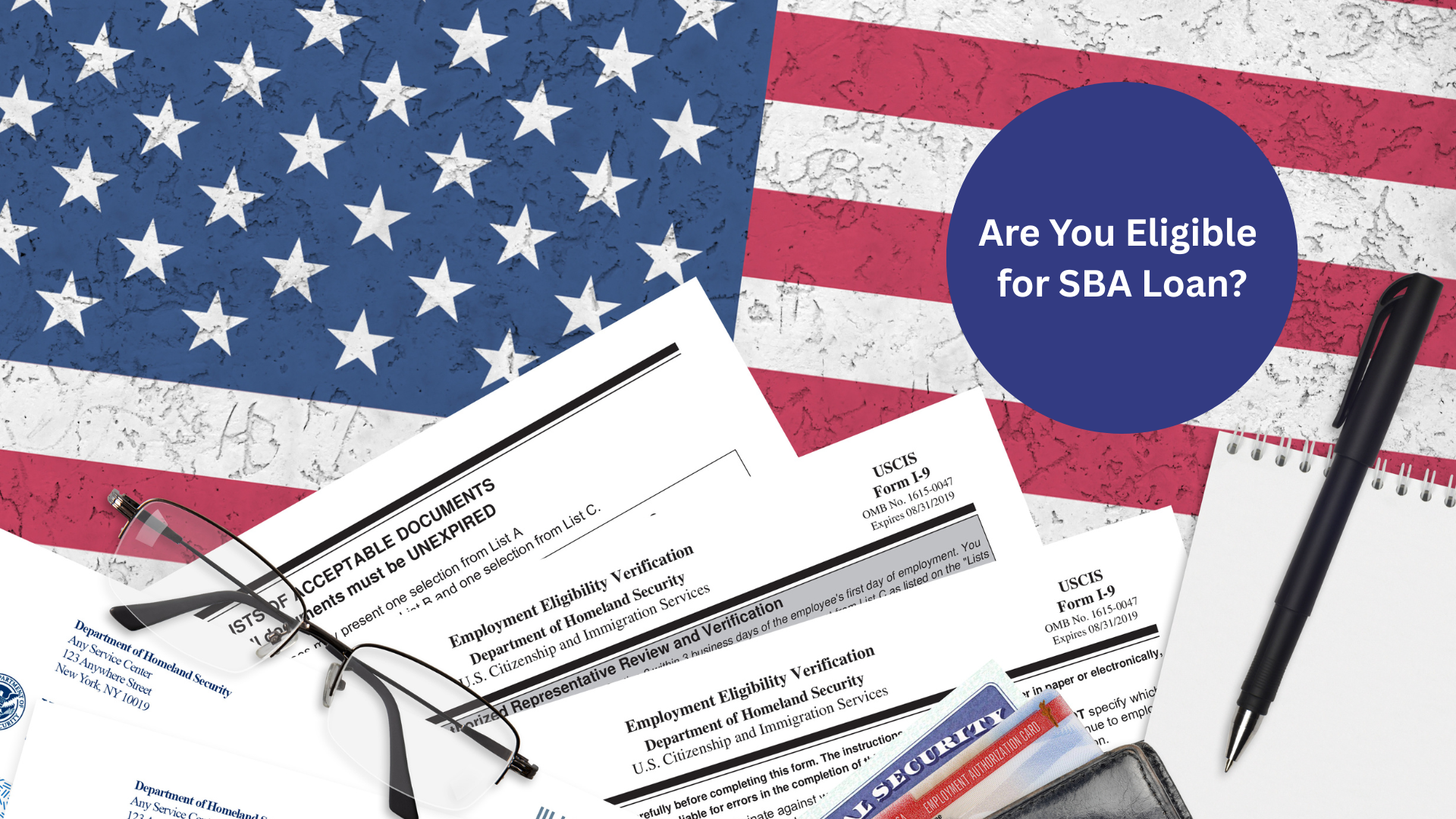
Documents and an American flag for SBA loan application guidance.

In March 2025, the U.S. Small Business Administration (SBA) implemented a significant policy shift affecting its 7(a) and 504 loan programs. Businesses must now be entirely owned by U.S. citizens, nationals, or lawful permanent residents (LPRs) to qualify. Even a minority ownership stake by a foreign national now disqualifies businesses from SBA financing.


What Has Changed?

Previously, businesses could access SBA loans as long as up to 51% of ownership was held by U.S. nationals or LPRs. This flexibility, which opened doors for diverse ownership, is no longer allowed. Under the new rules:

  • Businesses must be 100% owned by eligible individuals (U.S. citizens or LPRs).
  • Any foreign national ownership, no matter how small, disqualifies the business.
  • Loan applicants must certify that no beneficial owner falls into the ineligible category.

Who Is Considered Ineligible? This policy impacts those with ownership stakes who are:

  • Foreign nationals.
  • Individuals granted asylum.
  • Refugees or visa holders.
  • DACA recipients or undocumented immigrants. Even a 1% stake by any of these individuals renders a business ineligible.

Why the Change?

According to SBA Administrator Kelly Loeffler, these reforms align federal funding access with immigration compliance policies, ensuring resources are directed to eligible applicants. While this enhances compliance, it reduces flexibility for businesses with diverse ownership structures.


What Does This Mean for Business Owners?

The implications of this change are far-reaching:

For Startups and Existing Businesses:

  • Companies with foreign stakeholders need to reassess their ownership structures.
  • Alternative funding options must be considered if SBA loans are no longer accessible.

For Business Sales:

  • Selling businesses with SBA loan financing just became more complicated. Buyers with foreign or non-resident partners may be disqualified from loan eligibility, potentially jeopardizing deals.
  • This may reduce the pool of potential buyers, making it harder for sellers to find suitable offers.

What Can Business Owners Do?

To navigate these changes effectively:

  1. Audit Ownership Structures: Identify all owners and verify their citizenship or residency status.
  2. Restructure if Necessary: Consider removing ineligible owners or shifting ownership stakes if SBA loan access is crucial.
  3. Explore Alternatives: Seller financing, private equity, or non-SBA loans may be viable substitutes.
  4. Work with Advisors: Select advisors who understand SBA requirements to guide you through the loan application or business sale process.

Final Thoughts

This policy represents one of the most significant changes to SBA financing in recent years. As a business owner, understanding these new rules and proactively managing your ownership structure are vital. Whether you’re planning to apply for an SBA loan or sell your business, taking early steps to ensure compliance can help you avoid delays and lost opportunities.

For tailored advice or further assistance, contact Accel Business Advisors to help you navigate this transition successfully.


📩 Contact us today to explore your options!

Follow Us:

More Posts

Why Buyers Pay More for Predictability, Not Potential

Selling a business often brings out a certain kind of optimism — the belief that with the right buyer or a bit more investment, all the untapped potential could finally be realized. But buyers don’t pay for possibilities; they pay for patterns and look for consistency in revenue, stability in margins, and consistent demand. Potential is a story. Predictability is evidence. And evidence is what reduces risk — the real driver of valuation.

What Business Sellers Must Do Now in 2026

The small‑business market is finally stabilizing — but it’s also becoming more selective. Strong, well‑prepared companies are getting multiple offers, while others are sitting on the sidelines longer than expected. According to the latest BizBuySell Insight report, buyers are more analytical than ever.

Send Us A Message

Section Title

The 5 Numbers Buyers Judge You On (Before They Even Tour the Business)

Before a buyer ever steps foot in your business, they’re already forming an opinion based on a handful of quiet financial cues. Getting these cues right early gives you leverage, clarity, and momentum...

Why Buyers Pay More for Predictability, Not Potential

Selling a business often brings out a certain kind of optimism — the belief that with the right buyer or a bit more investment, all the untapped potential could finally be realized. But buyers don’t...

The Shop That Said Yes When Everyone Else Said No

Some of the strongest businesses aren’t built on hype or big capital — they’re built through craftsmanship, consistency, and the quiet discipline of showing up when others walk away...

What Business Sellers Must Do Now in 2026

The small‑business market is finally stabilizing — but it’s also becoming more selective. Strong, well‑prepared companies are getting multiple offers, while others are sitting on the sidelines longer...

Beyond the Hype: The “AI Edge” in 2026 Valuations

The rules for selling a business are shifting in 2026, and "efficiency" has a new look. Our first newsletter of the year is officially live, and we’re diving into the AI Edge — explaining why a few...

The Boring Business Premium – Why “Unsexy” Businesses Are Hot Among Buyers

Smart small business buyers aren’t chasing flashy startups. Instead, they’re competing for “boring” service companies: plumbing, HVAC, landscaping, cleaning. Why? Predictable cash flow, recurring...

Micro Businesses: Small but Mighty Sellable Assets

Not every business sale involves a warehouse or a 50-person team. In this blog, we spotlight the rise of micro businesses — lean, profitable, and surprisingly sellable. Whether it’s a solo-run Shopify...

Yoga Tree Found Its Flow

When a business is built on community, selling it takes more than just a price. In this blog, we revisit the sale of Yoga Tree — a beloved Bay Area studio chain whose value lived in its culture...

Why You Can’t Just Buy a Chick-fil-A Franchise — and What That Teaches Us

Most people hear “$10K franchise fee” and think Chick-fil-A is a fast track to ownership. But the truth is more nuanced and more powerful. This blog explores why Chick-fil-A doesn’t sell franchises...

Understanding the SBA’s New Citizenship Requirements and Their Impact on Business Owners